


What Is Reclaimed Wood Furniture?
Introduction
Reclaimed wood furniture is reshaping the future of interior design. In an age of mass production, homeowners are searching for pieces that tell a story—materials that have earned their patina, not had it sprayed on. Every scar, grain line, and color variation is a record of time, use, and human craft.
At Sonoma Restorations™, we believe that furniture should have history and endurance built in. Each of our designs begins with lumber that has already lived a life—wine barrels, barn siding, industrial beams—and transforms it into something extraordinary. This is not nostalgia; it’s responsible craftsmanship built to last. By using reclaimed materials, we keep thousands of pounds of oak and pine out of landfills every year and turn them into furniture meant to endure for generations.
What Reclaimed Really Means
Reclaimed wood starts as regular lumber. It first serves its duty in barns, barrels, homes, and industrial buildings. After that first life ends, the material is salvaged, sorted, and prepared for another chapter—and that second life is where Sonoma Restorations™ comes in.
Each board we work with is hand-selected, cleaned, and cut to preserve its unique character. We see the beauty in imperfections: the small nail holes, bolt scars, and saw marks that mark years of honest labor. A stave once soaked in Zinfandel may become a coffee table; a barn beam might transform into a bar shelf or cue rack. These surfaces don’t just look good—they feel alive, dense, and enduring.

The Science of Strength
Reclaimed wood isn’t just attractive—it’s structurally superior. Decades of air-drying and use compress the wood’s cellular structure, increasing stability and density. Unlike new lumber, which continues to settle and shrink, reclaimed material has already completed its natural movement cycle. That’s why it machines cleanly, resists warping, and performs consistently indoors.

Where Reclaimed Wood Comes From
We source reclaimed wood from across the United States and occasionally from cooperages and small mills in Europe. Each source tells a different story, adding distinctive tone, texture, and grain:
- Barns and agricultural buildings: Weathered pine and fir framing from the Midwest and Pacific Northwest, naturally aged by wind and rain. The slow growth of these timbers produces tight grain and exceptional strength.

- Industrial sites: Dense oak and maple once used as flooring and beams in early American factories. Their surfaces carry the subtle sheen of decades of wear and pressure.

- Barrels: Retired wine and whiskey barrels from Sonoma County and Kentucky distilleries. We often keep the inner char and staining intact, allowing deep auburn hues to peek through every cut.

- Orchard removals and storm-fall hardwoods: End-of-life grape vines, fruit trees and storm-felled hardwoods that would otherwise be chipped or burned, often cut or milled into small-batch creations like dining tables or accent pieces.
- Water-recovered logs: Submerged timbers raised under strict ecological guidance. Their mineral-rich surfaces reveal a deep, iridescent tone impossible to replicate with new wood.
Sustainability, Kept Simple
At Sonoma Restorations™, sustainability isn’t a buzzword—it’s our operating principle. Using what already exists reduces waste, cuts carbon emissions, and preserves natural forests for future generations. Local sourcing keeps transportation impact low, and every partnership we form emphasizes traceability and ethical handling.
Most reclaimed wood isn’t FSC® certified—and that’s okay. The Forest Stewardship Council certifies new lumber harvested responsibly. Reclaimed wood avoids cutting down trees altogether. By giving existing material new purpose, we conserve resources, reduce landfill waste, and help limit the demand for virgin timber.
A typical reclaimed oak table diverts around 60 pounds of solid wood from waste streams and saves nearly 100 pounds of CO₂ emissions compared to a newly milled counterpart. Multiply that across every bar stool, shelf, and table we build, and the impact is real.
We proudly support 1% for the Planet, One Tree Planted, and the Sustainable Furnishings Council, where Sonoma Restorations™ was recognized as a Top Scorer in 2025 for leadership in responsible material practices. These affiliations hold us accountable and connect us to a broader movement redefining how American furniture is made.
Our Impact: Every order contributes to reforestation and circular design initiatives nationwide.

The Life Cycle of Reclaimed Wood
The journey of reclaimed wood doesn’t begin in our workshop—it begins decades earlier in the structures that helped build America. Barns, distilleries, and orchards once depended on this timber for their livelihoods. When those facilities reach the end of their lives, their materials don’t have to. By rescuing and repurposing wood, we’re extending its usefulness and preserving the embodied carbon already locked within the grain.
Unlike newly milled lumber that demands logging, transport, and kiln-drying from scratch, reclaimed wood already exists within the ecosystem. The energy required to restore and refinish it is a fraction of what it takes to create new stock. That efficiency translates into measurable environmental savings: reduced carbon output, lower water consumption, and minimal soil disruption.
At Sonoma Restorations™, our artisans take that conservation one step further. They source most materials from their own regions—whether it’s Kentucky whiskey barrels, Wisconsin barn beams, or California wine staves—and ship finished products directly from their workshops to customers. By shortening the supply chain, we minimize unnecessary freight emissions and eliminate the waste of transporting raw materials across the country. It’s sustainability, simplified through smart logistics and local pride.
Quality and Processing
Working with reclaimed wood requires patience and skill. Each piece arrives with its own set of challenges—hidden nails, uneven moisture, or surface oxidation—but that’s where craftsmanship makes all the difference.
Our process begins by removing every fastener, inspecting for integrity, and kiln-drying boards to a stable 6–9% moisture content. From there, we plane and joint the wood for consistency while preserving its original character. The goal is to reveal beauty without erasing history.
Finishing the Right Way
We seal our wood with Pure Tung Oil—a natural, food-safe finish that penetrates deeply and allows the wood to breathe. For metal elements, we apply a Polyurethane or Powder Coated Protective Finish, offering durability without excessive sheen. We avoid chemical stains; instead, we let age, oxidation, and craftsmanship define tone.
It’s not imperfection—it’s evidence of work done well.
Where Reclaimed Wood Works Best
Reclaimed wood isn’t just a material choice—it’s a design philosophy rooted in authenticity. It brings warmth to industrial spaces, weight to modern ones, and integrity to every environment it touches. Wherever it’s used, reclaimed oak and barrel wood add depth, texture, and a story that factory finishes can’t replicate. From bars to workshops and everything in between, these pieces belong in the spaces that reflect who you are—personally or professionally.
- Home & Commercial Bars: Raw-edged tables and barrel-based designs bring authenticity and endurance to spaces made for gathering. Reclaimed oak surfaces stand up to the constant motion of glassware, elbows, and conversation—developing a richer patina with every pour. A quick coat of natural oil keeps the surface sealed and nourished, while heavier wear can be easily renewed with light sanding and reapplication.

- Music Studios & Lounges: Acoustic warmth and visual character meet function. The wood’s dense grain helps naturally dampen echo, making reclaimed oak and barrel staves ideal for recording studios, listening rooms, and lounges. Whether it’s a reclaimed barrel coffee table under a vintage amp or shelving made from oak staves to hold vinyl, these materials complement the sound and soul of any creative environment.

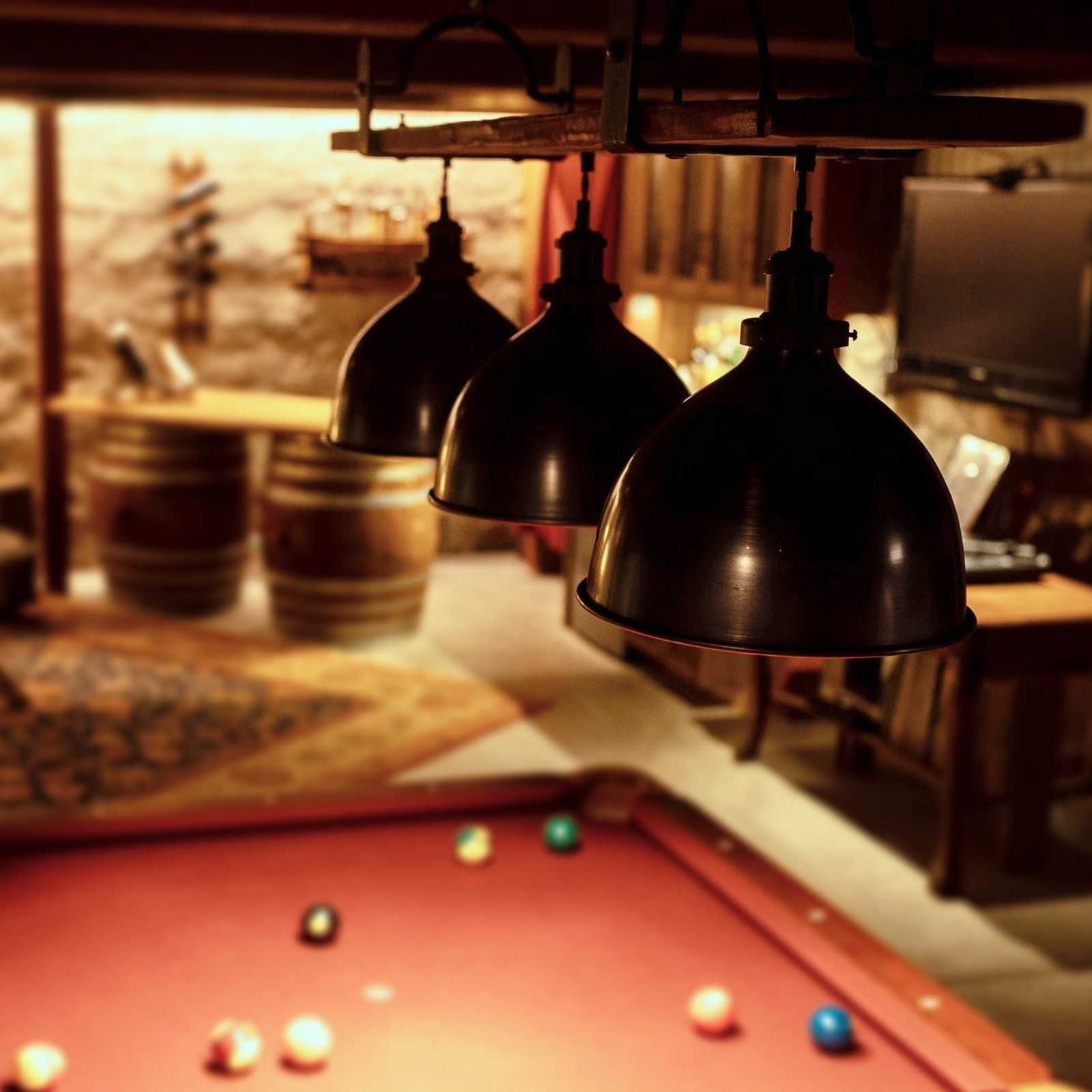
- Billiard Rooms & Game Spaces: Rich grain and deep tones complement leather chairs, iron hardware, and glass lighting—materials that define masculine leisure. Reclaimed wood furniture adds warmth to the competitive edge of a game room, grounding the space in authenticity. Oak and barrel staves resist dents from cue sticks or dropped balls, and their texture softens the glow of overhead lighting.

- Outdoor Covered Patios: Properly sealed oak resists moisture and sun, offering lasting charm to outdoor bars, fire pit tables, and seating areas. Unlike mass-produced patio sets, reclaimed barrel and plank pieces gain depth and nuance as the seasons pass. A simple coat of natural oil revives the surface after a long summer, highlighting the grain’s contrast and keeping the finish resilient.

- Wine Cellars: Reclaimed oak belongs where patience and craft are celebrated. In a wine cellar, it feels right at home—aging gracefully alongside the bottles it shelters. The same wood once used to cradle vintages in the barrel now supports them again as shelving, racks, or tasting tables. Its familiar scent and subtle color variation echo the winemaking process itself—slow, deliberate, and full of character.

Reclaimed vs. Distressed: Know the Difference
Not all “rustic” furniture is reclaimed. Many mass-market brands use new wood chemically treated or mechanically “distressed” to imitate age. Reclaimed wood, by contrast, is aged—authentically weathered, denser, and richer in tone.
How to Spot the Real Thing
- Weight: Reclaimed oak feels heavier and more solid than newly milled imitations.
- Grain: Look for variation and tightness, not uniform factory texture.
- Character: Nail holes, bolt scars, and oxidation marks should appear naturally random, not patterned.
Real reclaimed wood carries soul and substance—and it contributes to sustainability rather than mimicry.
Buying Smart
Choosing reclaimed furniture is an investment in craftsmanship and integrity. Before purchasing, ask these key questions:
- Where did the material come from?
- What’s the current moisture content?
- How was it inspected for pests or structural weakness?
- Which finish was used, and how should it be maintained?
- Can the maker reproduce the look later?
Transparent makers will answer confidently and share documentation. At Sonoma Restorations™, we encourage these questions—because honesty builds long-term trust.
Maintenance Matters
A quick reapplication of Pure Tung Oil once or twice a year revives luster and protection. Avoid harsh cleaners, and your furniture will outlast trends and seasons alike.
Cost and Value
Reclaimed wood furniture carries higher initial cost, but its true value compounds over time. Each piece requires extensive labor—denailing, defect-fixing, drying, milling, sanding, finishing—but the reward is longevity. You’re not buying disposable décor; you’re investing in heirloom craftsmanship.
A reclaimed oak table may cost 20–30% more upfront than a factory-made equivalent but will last 30–50 years longer. It can be refinished, repaired, and handed down, gaining beauty as it ages. That’s sustainability of the highest order.
Why Sonoma Restorations™
We partner with small American artisans—craftsmen who understand reclaimed materials down to the grain. Every batch of wood is different; every finish intentional. We avoid shortcuts, choosing joinery methods like mortise-and-tenon or dovetail that ensure decades of durability.
Our network spans Kentucky, Texas, Virginia, Wisconsin, and California, creating an American-made ecosystem of workshop talent united by one goal: to give old materials new purpose. From the cooperage to your home bar, every product is designed to perform, age gracefully, and tell its own story.
These partnerships aren’t transactional—they’re built on shared respect for craftsmanship and the environment. Many of our artisans source reclaimed materials locally and ship directly from their workshops, minimizing the environmental footprint of cross-country freight. The result is a network of regional creators tied together by a single mission: to preserve the heritage of American woodworking while keeping sustainability practical and personal.
Our Promise: Handcrafted. Sustainable. American made.
FAQ
- Is reclaimed wood furniture durable?
- Absolutely. Properly kiln-dried reclaimed oak can be denser and more stable than new lumber, resisting warping and cracking.
- Does reclaimed wood require special care?
- Re-oil surfaces annually with Pure Tung Oil. Avoid harsh chemicals or silicone-based cleaners.
- Where does Sonoma Restorations™ source its wood?
- From U.S. barns, cooperages, and small mills—each piece traceable to its origin.
- What are your lead times?
- Most pieces are made to order, with typical production of 5–21 business days before shipping (depending on product complexity).
- Do finishes vary between batches?
- Yes, and that’s the point. Each batch has unique tone and texture, shaped by its prior life.
Bring the Workshop Home
Every mark tells a story. Every joint holds the hand of an artisan. Ready to bring that story home? Explore our Reclaimed Wood Furniture Collection and see how craftsmanship built from the barrel up can transform your space.
Explore our Best Seller and New Arrival collections to discover how reclaimed craftsmanship can bring warmth, character, and story into your space.


Leave a comment
This site is protected by hCaptcha and the hCaptcha Privacy Policy and Terms of Service apply.